

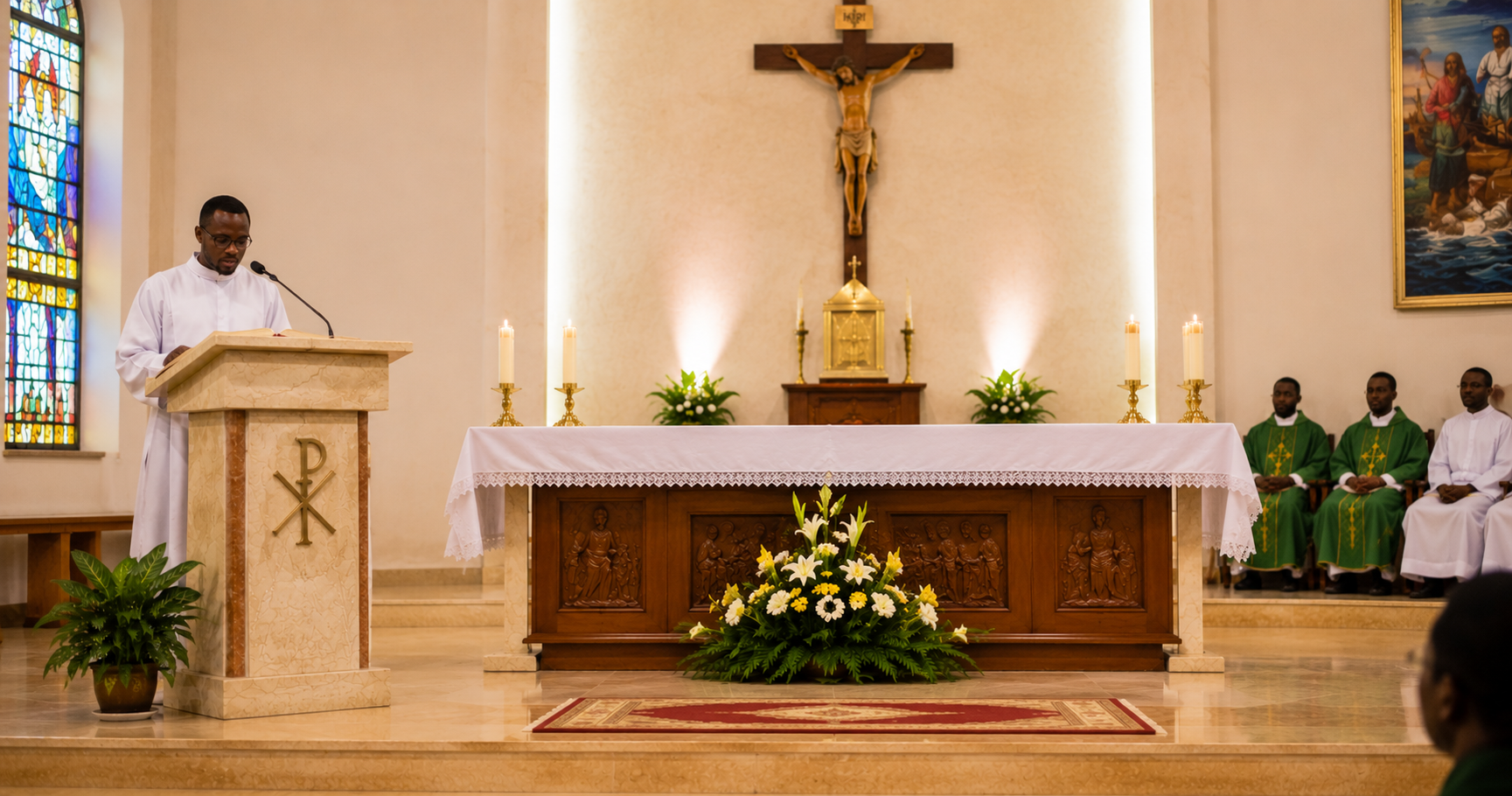
The relevance of a tabernacle as an integral part of a sacred space is dependent on the Eucharist it hosts. Hence, the Church (GIRM 314; Can. 938 §1-2) explicitly states that ‘in accordance with the structure of each church and legitimate local customs, the Most Blessed Sacrament should be reserved in a tabernacle in a part of the church that is truly noble, prominent, readily visible, beautifully decorated, and suitable for prayer.’ Necessarily so because the material value and how the Faithful (ministers especially) relate to that which hosts the Eucharist, contribute to the human appreciation of the factual mystery it contains (cf. Can. 898).
So, seeking to safeguard the material sanctity and appreciation of the Eucharist; the most August sacrament in which Christ the Lord himself is contained, offered, and received and by which the Church continually lives, grows (cf. Can. 897), and that which contains ‘the whole spiritual good of the Church’ ( Presbyterorum Ordinis, 5), the GIRM (314) and Can. 938 §3 state that: ‘The one tabernacle should be immovable, be made of solid and inviolable material that is not transparent, and be locked in such a way that the danger of profanation is prevented to the greatest extent possible. Moreover, it is appropriate that, before it is put into liturgical use, it be blessed according to the rite described in the Roman Ritual.’
Nullo Unquam Tempore (cf. 5), a 1938 instruction issued by the now Dicastery for Divine Worship and the Discipline of the Sacraments, emphasizes, that it is not sufficient that a custodian reside in the place, nor is it enough that the tabernacle be so strong that it can neither be pierced by a boring instrument, nor broken open by a chisel, and is so well provided with locks that it may not be opened even with skeleton keys: a third safeguard is required by law: careful custody. Now, this watchfulness, which is to be continually maintained, embraces many cautions, both ordinary and extraordinary, according to the circumstances of places and times.
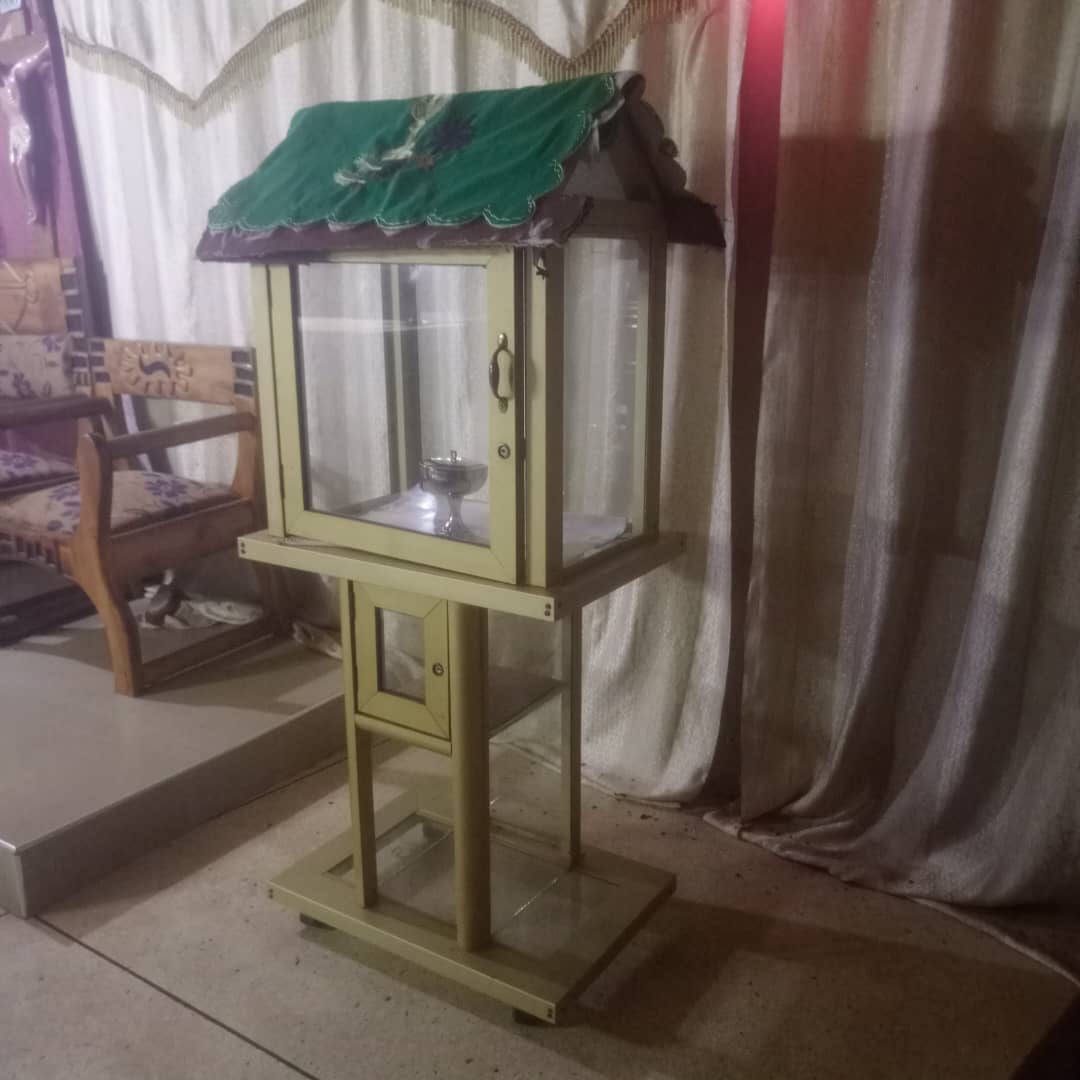
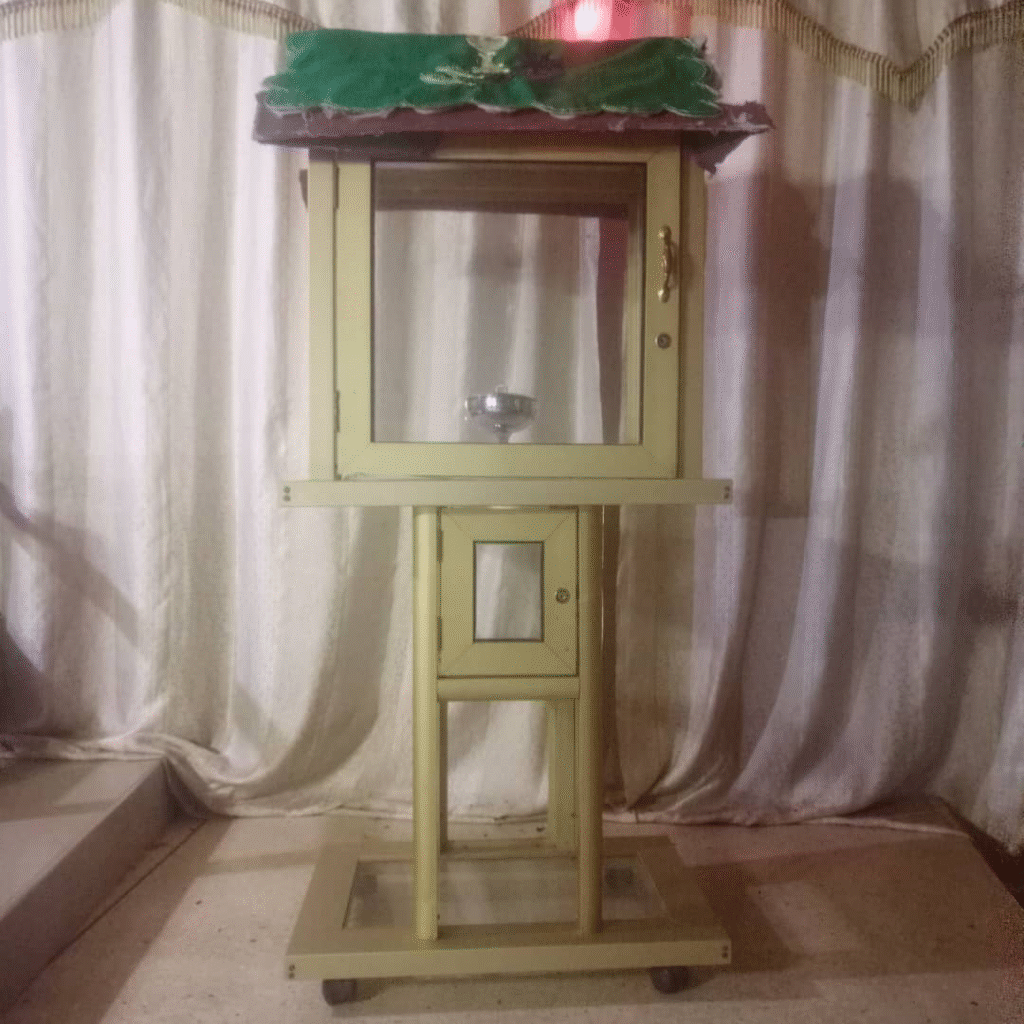
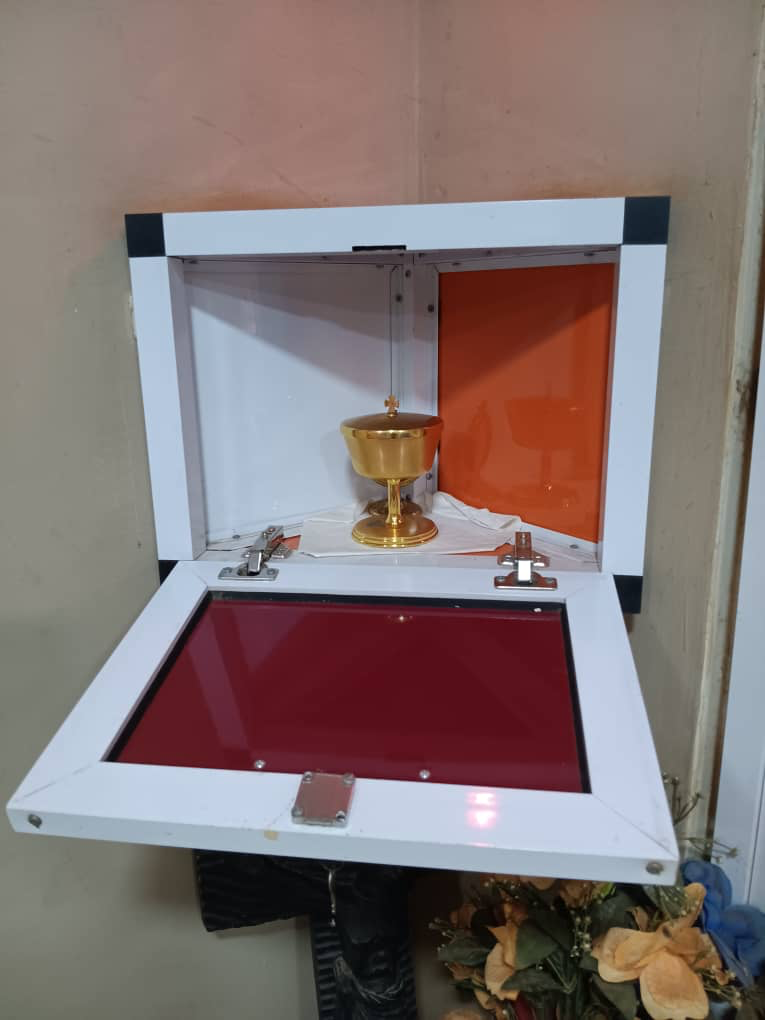
It is understood then that ‘ideas’ like a GLASS TABERNACLE (tinted or not) are improper, and even when materials like wood are used, they should necessarily satisfy the underlying spirit of the above canons.


Leave a Reply