

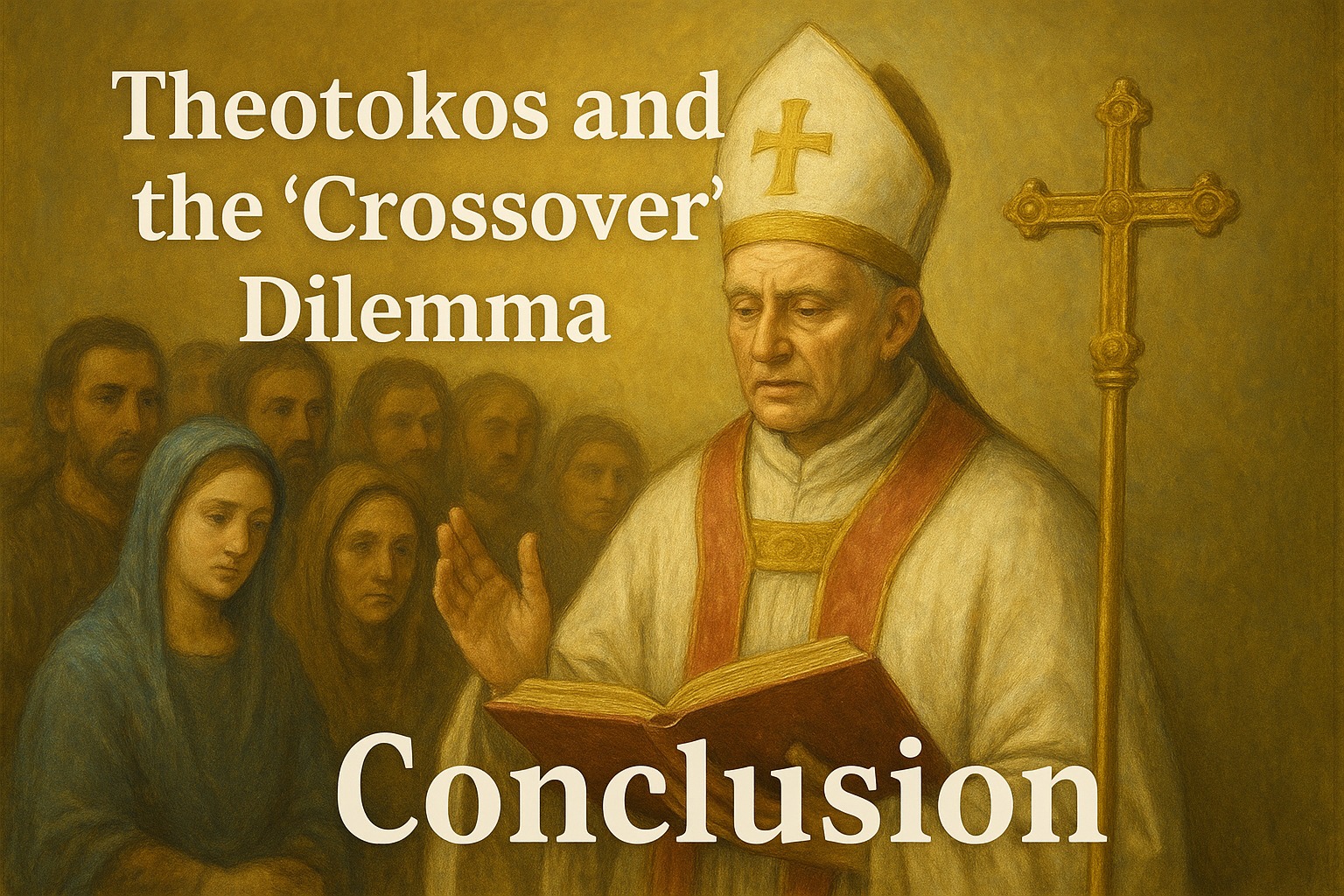
Conclusion
Following the teaching of the holy Fathers and the firm tradition of the Catholic Church, Popes rightly emphasized that the unfolding of the liturgical year is not merely a commemoration of the salvific actions of Jesus Christ. Nor, according to them is this unfolding merely a commemoration of past events so that the faithful, even the simpler, might be instructed and nourished by meditating on them. Rather, they taught that the celebration of the liturgical year “enjoys a sacramental force and a particular efficaciousness to nourish the Christian life” (Pope Paul VI, Mysterii Paschalis, I/3, 1969).
Pope John Paul II further advised: “You are aware that inculturation commits the Church to a path that is difficult, but necessary. Pastors, theologians, and the specialists in the human sciences must also collaborate closely, so that this vital process may come about in a way that benefits both the evangelized and the evangelizers, in order to avoid any simplification or undue haste that would end in syncretism or a secular reduction of the proclamation of the Gospel. Carry out your research on these questions serenely and in depth, aware that your work will help many in the Church and not only in what are called ‘mission lands’” (JP II, A Fresh Approach to Evangelizing People and Cultures, 17 January 1987).
Therefore, in circumstances where the liturgical calendar is significantly challenged such as the ‘31st December Crossover’ culture affecting the celebration of Mary, Mother of God, in some ecclesiastical jurisdictions, it may be pastorally proper to adapt sound practices that facilitate the spirit of the liturgy, in order to aid the faithful, seasonal churchgoers, and the Church at large. The challenge is more pastoral and catechetical rather than canonical or liturgical, especially regarding the laity’s appreciation of the obligatory characters of holydays.
Unless the transfer of the solemnity of the Theotokos is sought after as the preferred solution, this issue requires no special clarification from Rome, as it may simply be addressed under the established ecclesiastical merits of anticipatory or vigil masses, as deemed appropriate by the episcopal conference or the local ordinary. Failure to do so risks undermining not only an important means of evangelization but also the faithful’s proper cultivation of devotion, an opportunity to sustain them in the faith, and the salvation of their souls.
In Acts 2, St. Luke opens with the words: “when the day of Pentecost had come, they were all together in one place.” This indicates the preexistence of a Pentecost celebration among the Jews before the Christian feast. What may be intriguing for our reflection is why the Holy Spirit descended on that very day of already existing Pentecost on the Jewish liturgical calendar. Through his blessings of right and non-accidental cultures, it was simply to bring to fulfilment, and to enrich the meaning of what God had already begun among his People.
Thus, the liturgical culture of the Old Covenant, being intrinsically sound, became a foundation for the New Covenant. In the same spirit of fulfilment, regarding the pastoral challenge addressed in this study, our Mother, the Church, should assist the faithful in approaching and fulfilling their religious obligation for the Solemnity of Mary, Mother of God with a truly festive and spiritually enriching spirit.
Kyrie eleison!


Leave a Reply