

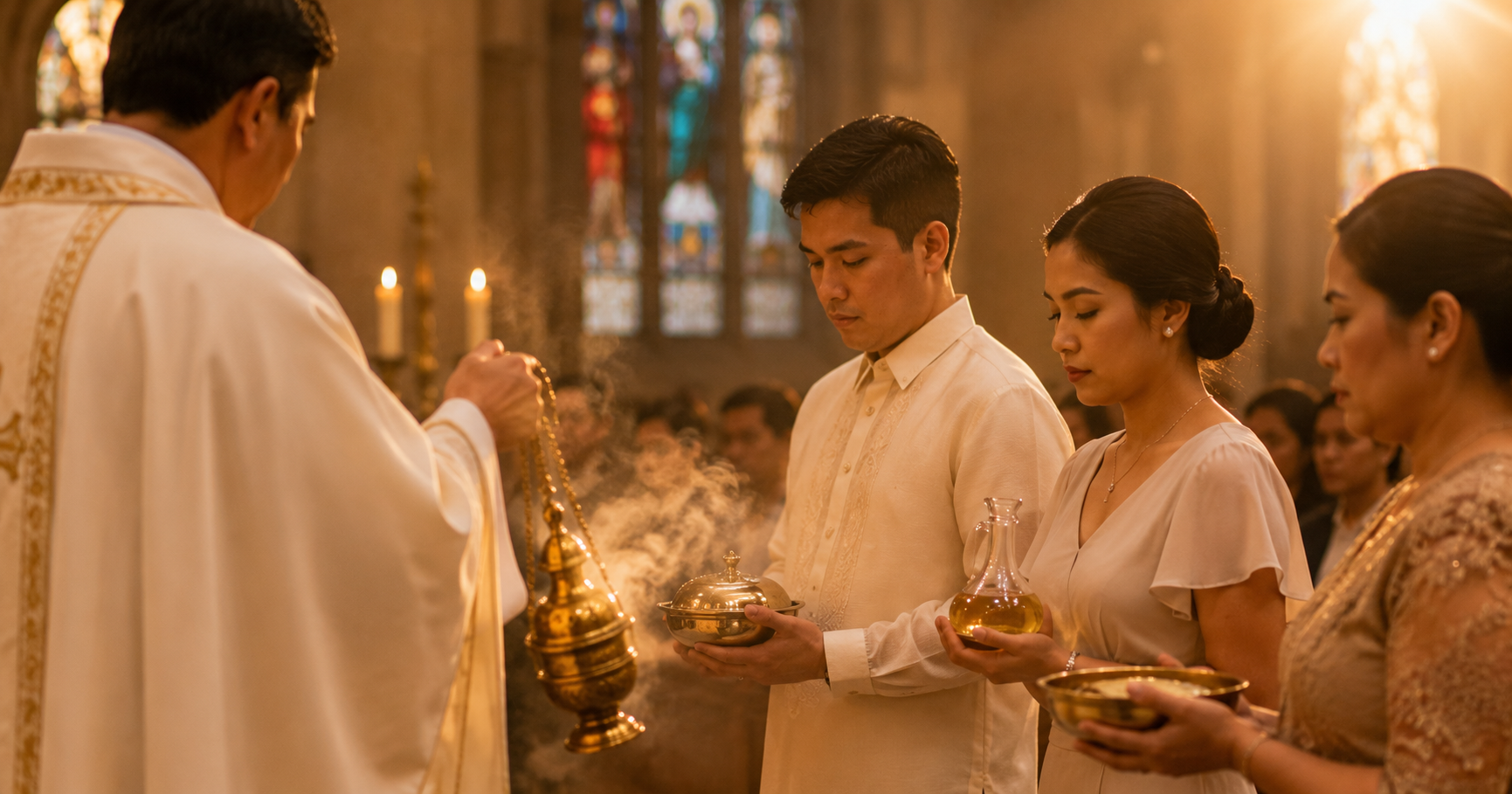
A Catholic church is not simply a public hall or event venue. Once dedicated or blessed, it becomes a sacred place set apart for divine worship. The Catechism of the Catholic Church (CCC 1181; cf. Presbyterorum Ordinis, 5; Sacrosanctum Concilium [SC], 122-127) therefore states: ‘“A church, “a house of prayer in which the Eucharist is celebrated and reserved, where the faithful assemble, and where is worshipped the presence of the Son of God our Savior, offered for us on the sacrificial altar for the help and consolation of the faithful – this house ought to be in good taste and a worthy place for prayer and sacred ceremonial.”’
According to the Code of Canon Law (1205), sacred places are designated for divine worship through dedication or blessing, as prescribed by the liturgical books. Because a church primarily exists for the celebration of the Eucharist, prayer, proclamation of the Word, sacramental worship, devotion and piety, the Church treats church buildings differently from ordinary spaces.
Indeed, “Christians construct buildings for divine worship. These visible churches are not simply gathering places but signify and make visible the Church living in this place, the dwelling of God with men reconciled and united in Christ” (CCC 1180). For this reason, the Church has consistently insisted that “Only those things which serve the exercise or promotion of worship, piety, or religion are permitted in a sacred place; anything not consonant with the holiness of the place is forbidden” (CIC Can. 1210). The Introduction to The Rite of Blessing a Church (nos. 1, 16, 22) emphatically states that “since sacred edifices, that is, churches, are permanently set aside for the celebration of the divine mysteries,” they are consecrated because it is in them that the “celebration of the divine mysteries, especially the eucharist” takes place. “In an individual case, however, the ordinary can permit other uses which are not contrary to the holiness of the place” (CIC Can. 1210)
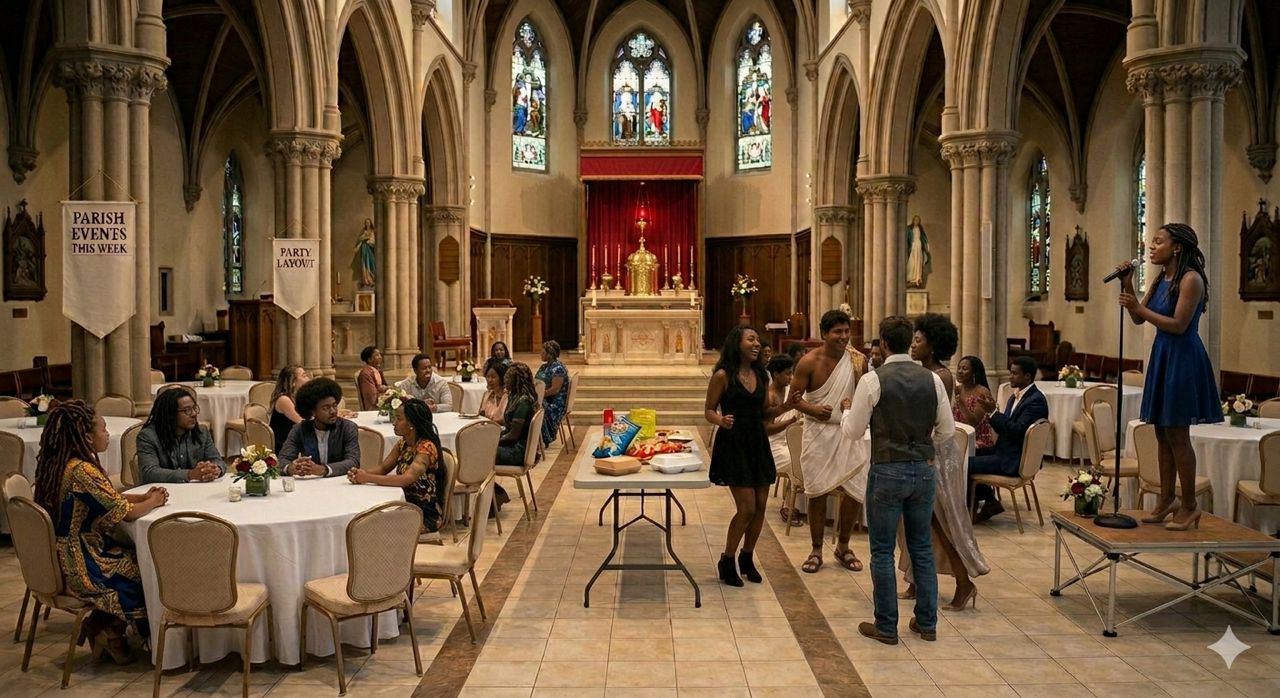
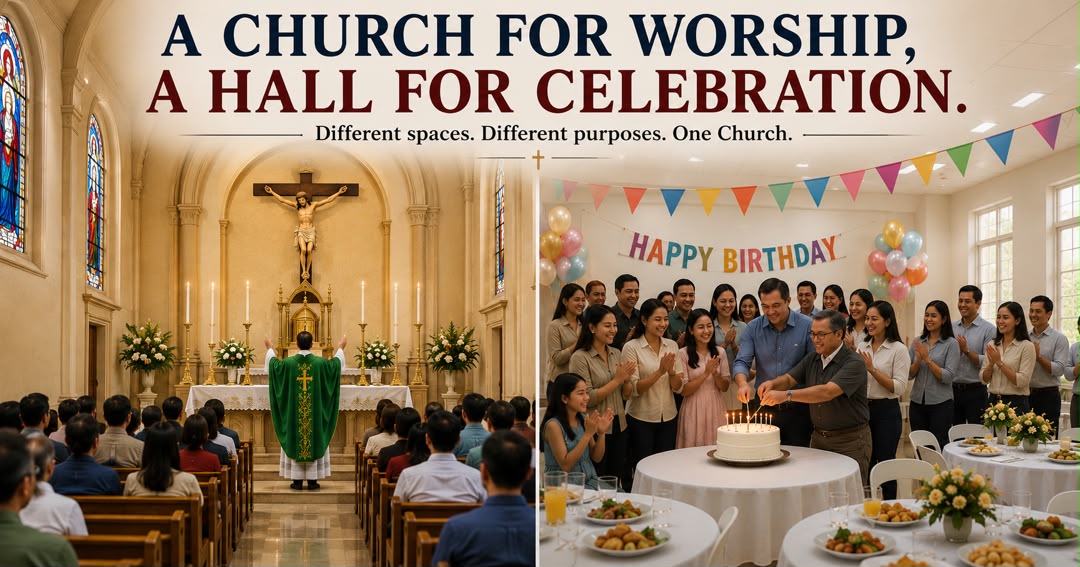
“Designated for divine worship to which the faithful have the right of entry for the exercise, especially the public exercise, of divine worship” (CIC Can. 1214), the understanding therefore is that activities whose primary purpose is entertainment, secular celebration, social gatherings, partisan political activity, or commercial activity ordinarily must not take place inside the church itself. This is so because, among other reasons, what is consecrated to God cannot be casually reduced to a venue for entertainment through indiscriminate costumes, music, speeches, and dance.
This is important because the Church sees certain activities not merely as “inappropriate,” but as potential violations of sacred space. As expressed in the Code of Canon Law (can. 1211): “Sacred places are violated by gravely injurious actions done in them with scandal to the faithful,” especially when such actions grossly disregard (if not outright disrespect) the central presence of the Blessed Sacrament (cf. CIC Can. 938 §2–5).
Conclusion
The Catholic Church teaches that a church building is a sacred place dedicated to the worship of God and not an ordinary venue for entertainment or social festivities. For this reason, activities held inside the church must respect its sacred character and remain consistent with worship, piety, reverence, and ecclesiastical law.
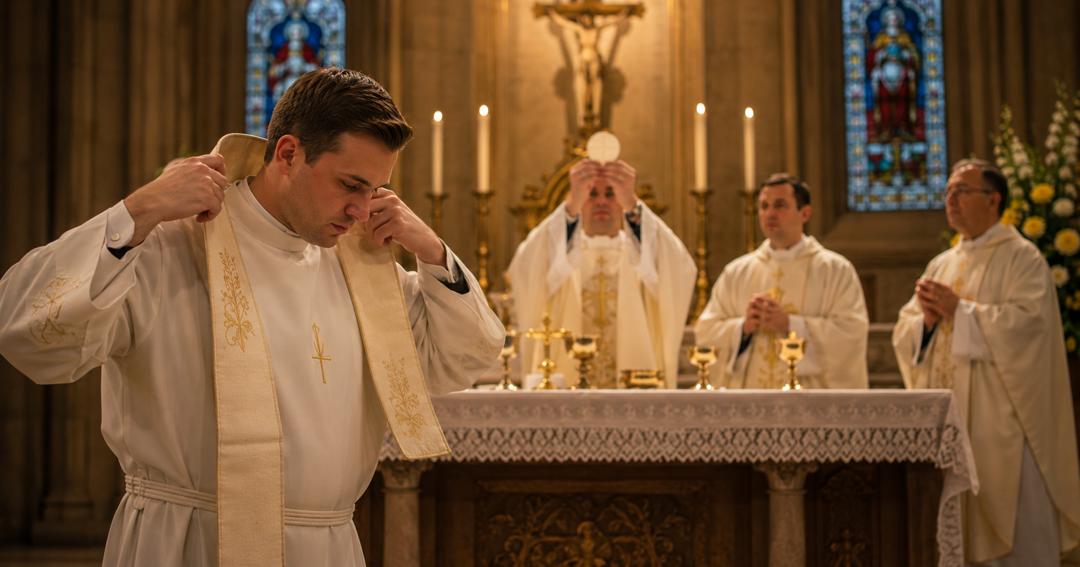
For the good of the Mother Church and the spiritual welfare individual souls, the church, especially the sanctuary, which “is the place where the altar stands, the Word of God is proclaimed, and the Priest, the Deacon, and the other ministers exercise their functions” (General Instruction on the Roman Missal, 295) should not be perceived as an extension of the marketplace, the theatre, or the banquet hall. Rather, it is the meeting place between heaven and earth. Therefore, “in this ‘house of God,’ the truth and the harmony of the signs that make it up should show Christ to be present and active in this place” (CCC 1181; SC 7).In the spirit of filial obedience, may we all pay heed to the Church’s words: “All those responsible are to take care that in churches such cleanliness and beauty are preserved as befit a house of God and that whatever is inappropriate to the holiness of the place is excluded” (CIC Can. 1220 §1).

By Rev John William Addai-Sarfo



Leave a Reply