

PART I
Introduction
The sacred liturgy of the Catholic Church is filled with signs, symbols, words, and gestures that communicate divine realities. In the Holy Mass, gestures are not merely ceremonial actions or external customs; rather, they are visible expressions of the faith of the Church and manifestations of the mystery of Christ. Among the most solemn moments in the liturgical celebration is the proclamation of the Gospel during the Liturgy of the Word. Before the Gospel is proclaimed, Catholics perform certain gestures and acclamations that possess deep theological, biblical, and spiritual significance.
The Centrality of the Gospel in the Liturgy
The Gospel reading is the high point of the Liturgy of the Word because it contains the words and actions of Jesus Christ. The Church teaches that Christ is truly present in His Word proclaimed during the liturgy. The Second Vatican Council states in Sacrosanctum Concilium that Christ is present “in His word, since it is He Himself who speaks when the Holy Scriptures are read in the Church”(SC7). For this reason, the Gospel receives special honor distinct from the other readings. Candles, incense, acclamations, and gestures of reverence accompany its proclamation. These external signs reveal the Church’s faith that the Gospel is not simply historical information but the living and effective Word of God. Saint Augustine emphasized this truth when he taught that “when the Holy Scriptures are read in the Church, God himself speaks to His people.” Thus, the gestures surrounding the Gospel are acts of worship directed toward Christ present in the proclaimed Word.
Standing for the Proclamation of the Gospel
One of the first gestures performed before the Gospel proclamation is standing. In ancient biblical tradition, standing is a sign of reverence, attentiveness, and readiness and respect before God. Throughout Sacred Scripture, standing in the presence of God signifies honor and readiness to listen obediently to His Word (eg. Nehemiah 8:5).
The General Instruction of the Roman Missal teaches that the faithful should stand during the Gospel reading as a sign of reverence for the word of God. (GIRM. 43). Saint John Chrysostom also taught that the faithful stand during the Gospel because they are listening to their heavenly King. According to him, bodily posture reflects interior disposition; thus standing reveals the soul’s readiness to receive God’s Word.
The Procession with the Book of the Gospels
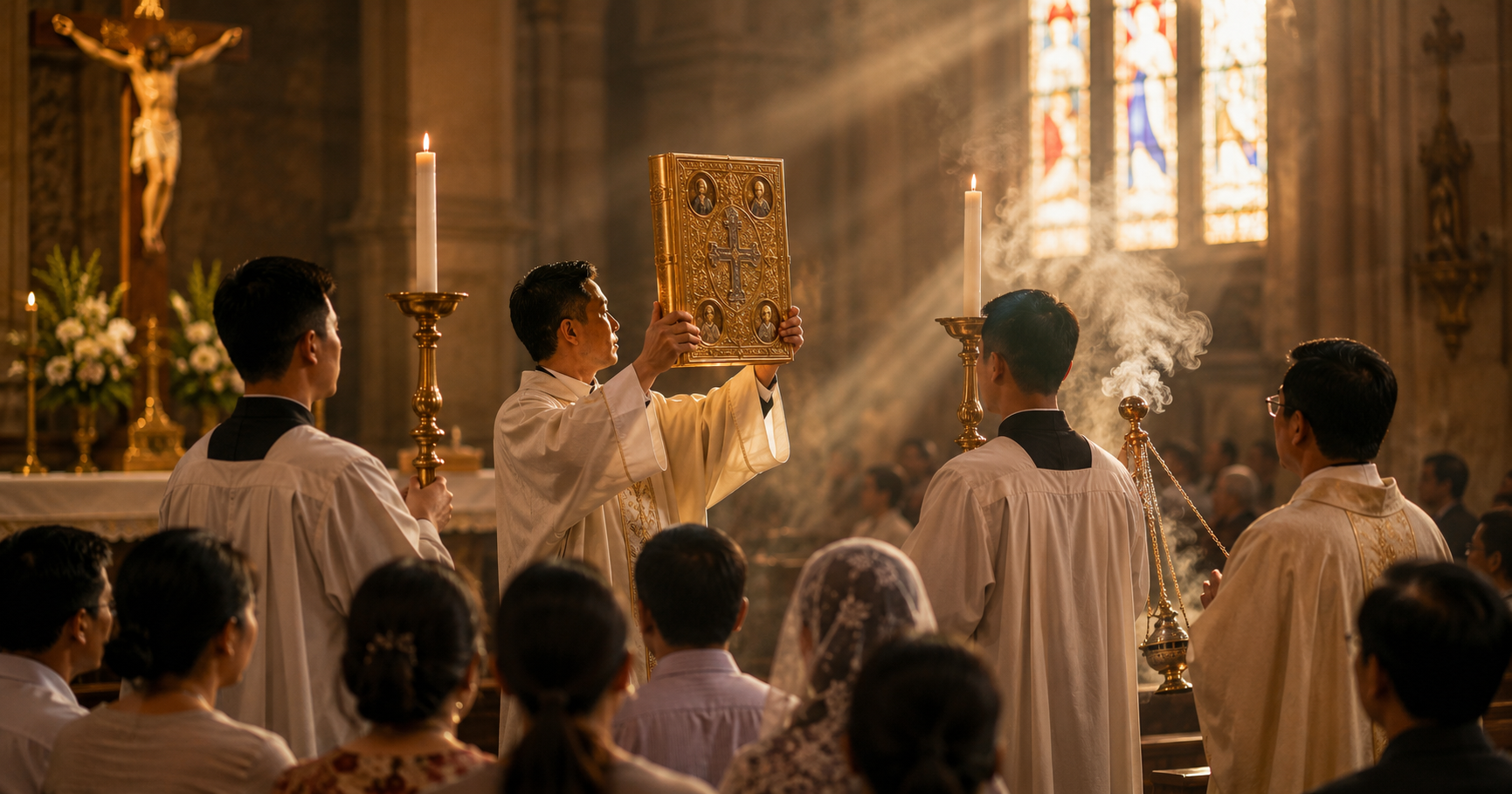
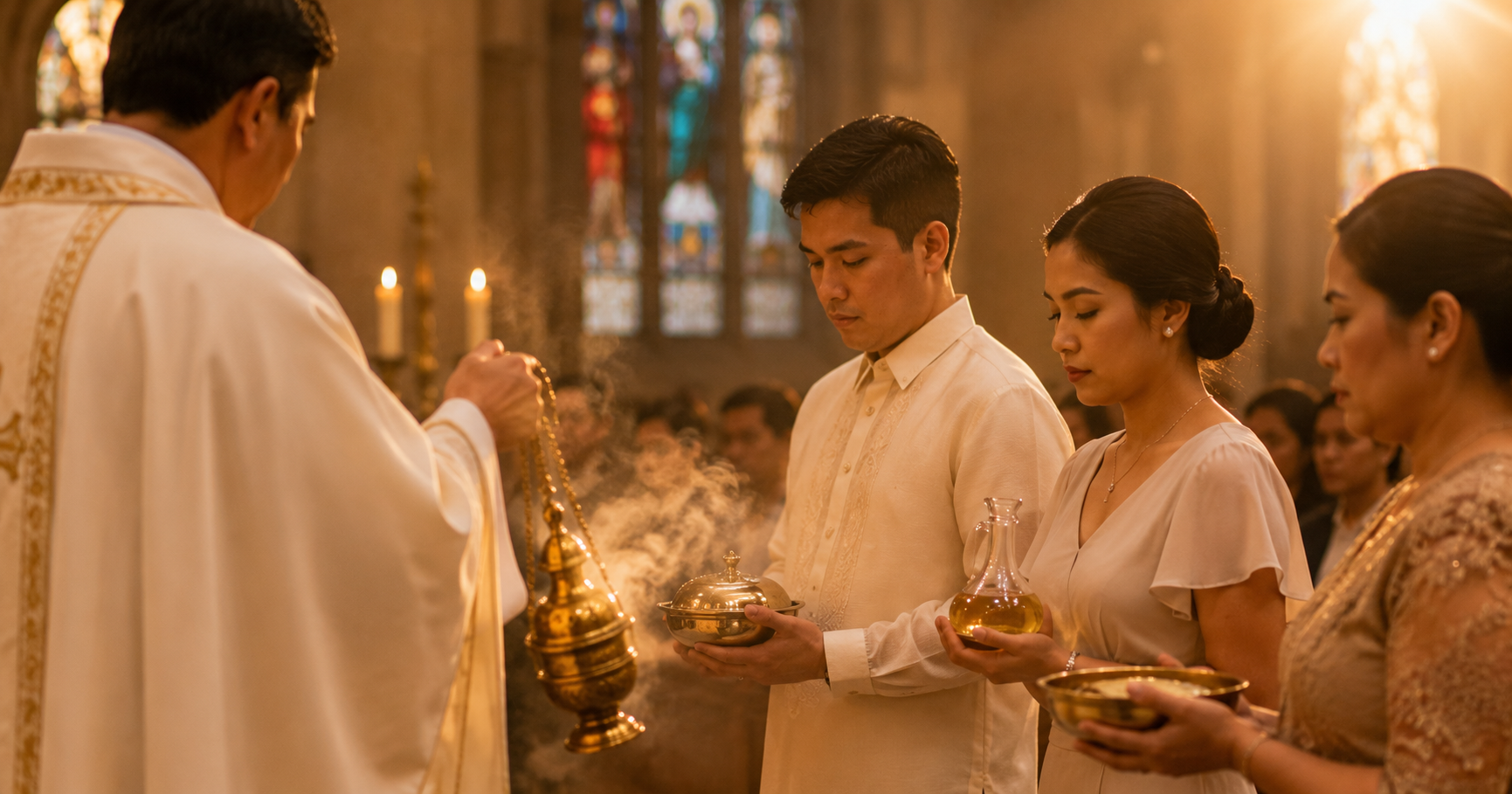
During solemn liturgical celebration, the deacon or priest carries the Book of the Gospels in procession to the ambo, often accompanied by candles and incense. This procession possesses rich theological meaning. The procession symbolizes Christ journeying among His people. The elevated Book of the Gospels represents Christ himself, the eternal Word made flesh (John 1:14). The faithful turn toward the Gospel procession as a sign of welcoming Christ into their midst.
Candles accompanying the Gospel signify Christ as the “Light of the World” (John 8:12). Incense symbolizes honour, worship, and the ascent of prayer to God. Saint Gregory the Great emphasized that the words of the Gospel illuminate the hearts of believers just as light dispels darkness. The Gospel procession therefore reveals the dignity of the Gospel, The presence of Christ among His people, and the missionary movement of the Word into the world
To be continued..
By Lukeman Antwi Agyei


Leave a Reply