

Sometime in August 2023 at the Kotoka International Airport (KIA), I inquired about the existence of what may be called a ‘Prayer Room‘, characteristic of many international airports. I was directed to a place with about 3 rooms intended for Muslim men, Muslim women, and Christians. On two doors were specific inscriptions that identified the masjid for males and females. So, without paying much attention to the other (the door standing ajar), I presumed it was intended for Christians and entered.
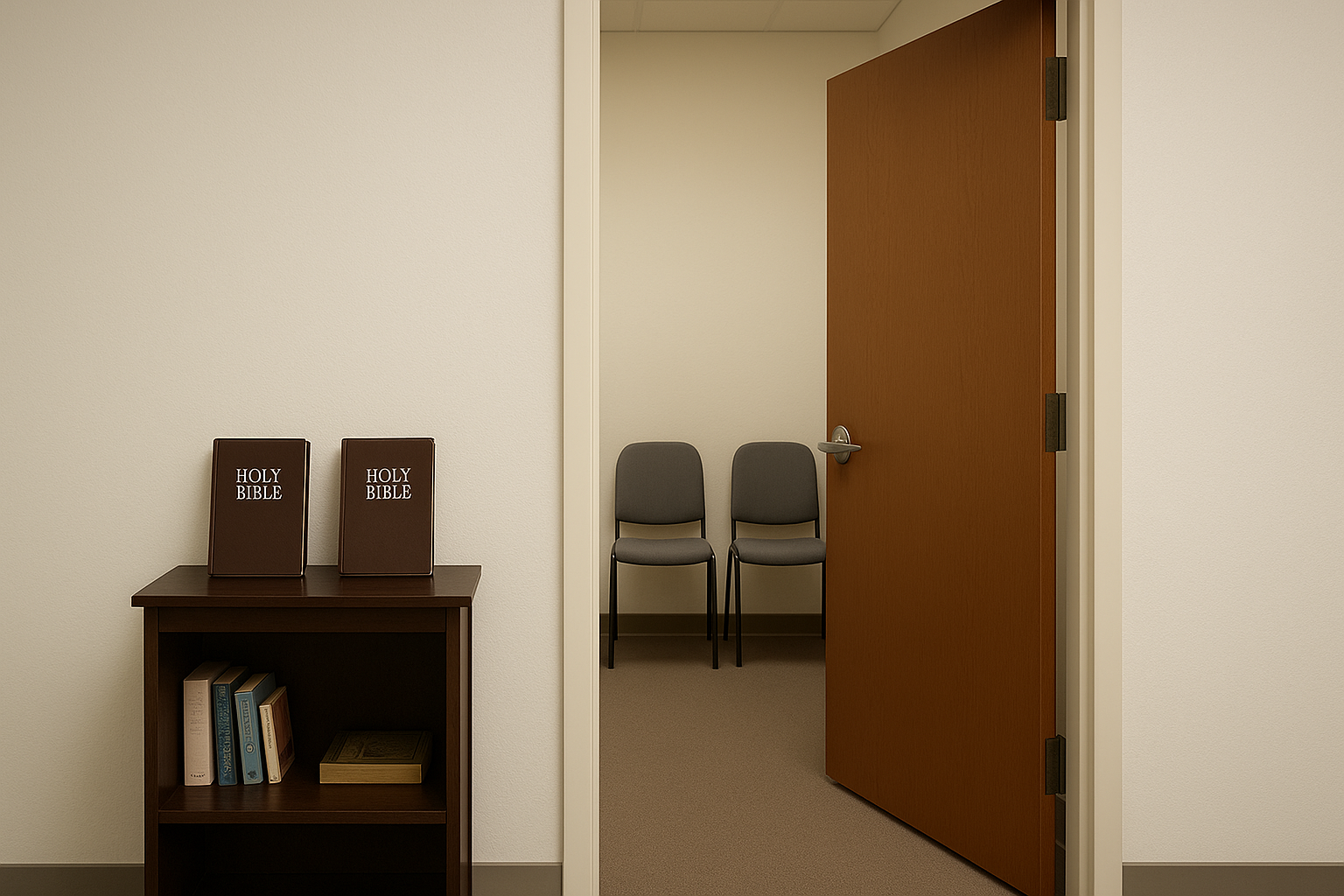
Confusingly, I had to return and confirm from the inscribed door if I was truly in a Christian ‘Prayer Room’, and I was! I got confused because while the spaces of our Muslim brethren had Islamic signs and symbols, ritual mats, a place for ablution, etc., that identified it as a sacred space for Islamic worship, I could hardly see any difference between the Christian prayer room and the waiting area of KIA, except that the former was a small area with a few chairs, two bibles on a side table, and a shelf with Christian literature.
As St. John Chrysostom realistically comments on Mt. 18:20, ‘the whole world is a church, consecrated by the suffering of Christ. Wherever you are, there you can worship God’. However, if a dedicated space is decided on for practical reasons, then it should express its purpose. Hence, without prejudice to the omnipresent attribute of God and the fact that the room charitably serves as a ‘first aid’ interdenominational prayer room, the ‘prayerfulness’ of that room seemed dependent on the gate’s tag (prayer room).
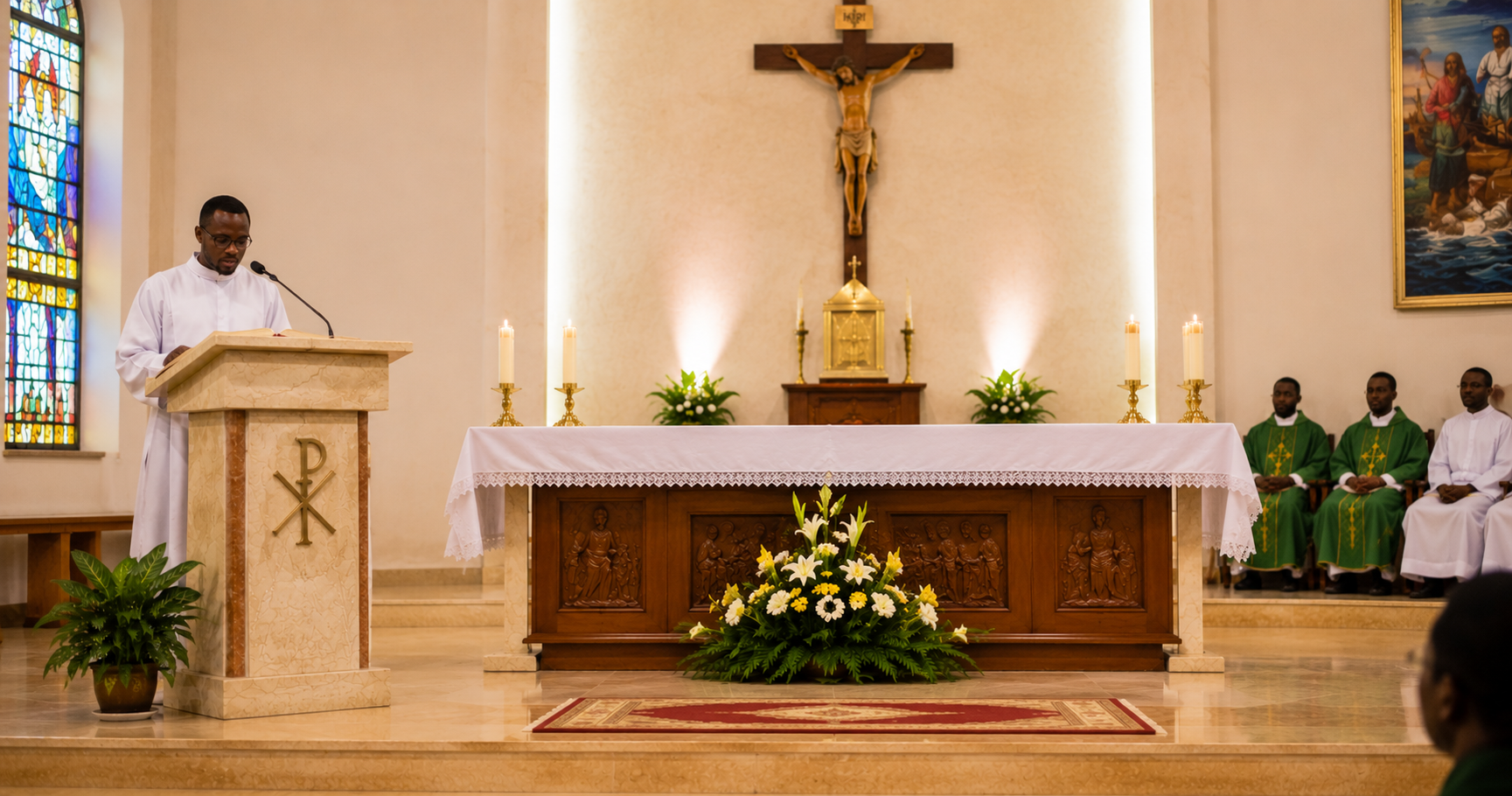
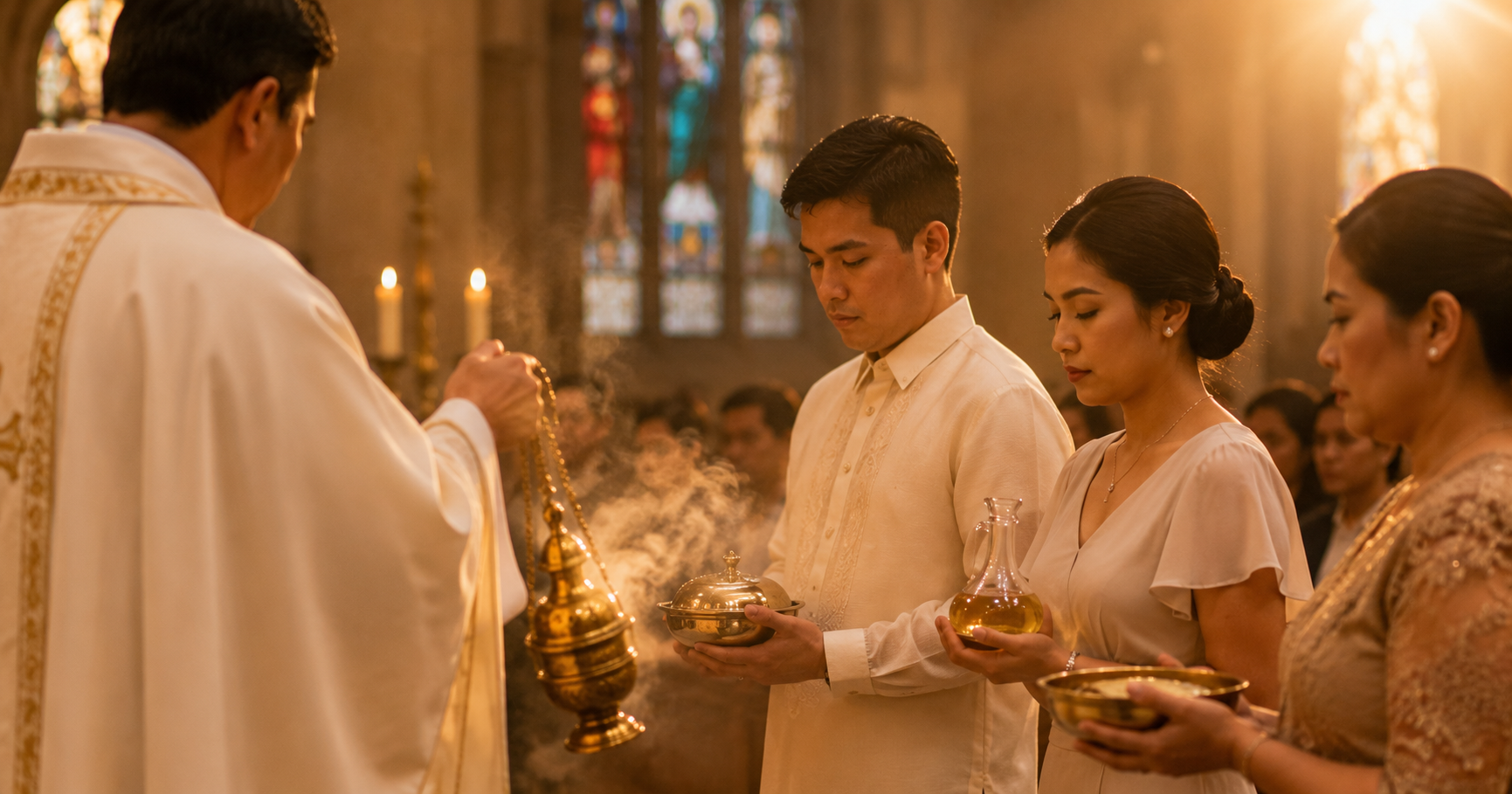
You may argue that my confusion is a product of my Catholic wiring, but hey, the difference was clear! The Christian prayer room lacked the inviting and facilitating character and atmosphere possessed by the Masjid. It was there that I highly appreciated why, even if for the cameras, Protestants (artiste) who are often iconoclasts, easily and positively settle on settings with sacramentals like altars, crucifixes, Christian icons and paintings, etc., which autonomously announce their ‘sacred intention’ without much challenge.
It implies then that ‘sacred space serves as a means of vertical (God-man) communication, a seat of divine power (primarily, its value does not come from its function but from the fact that man perceives the divine presence. A place where God’s power resides, where man can enter to commune with him), representation of the world (according to the mistagogical catechesis on the Church by St. Massimo the confessor, it is essentially a delimited microcosm that represents the whole world)’. It is from this thought that the primary liturgical understanding of a sacred space flows as an organised place for divine worship. It includes liturgical Persons, Architecture, Art (symbolic elements), and the Environment.
If we are asked, then, after the tearing of the Temple curtain and the opening up of the heart of God in the pierced heart of the Crucified, do we still need sacred space, sacred time, and mediating symbols? The answer is yes; we do need them, precisely so that, through the ‘image’, through the sign, we learn to see the openness of heaven (cf. Joseph Ratzinger, The Spirit of the Liturgy).
Thus, meant to recall dignity, beauty, and supernatural realities, the contents and immediate ambience of a sacred space should be a sign and an expressive symbol of devotion, capable of distinguishing the sacred from the profane (unconsecrated/secular), so as to impact on the latter. It is upon the above foundational discourse that our next series (Sacred Space; Art, Environment, and Architecture) will be built.




Leave a Reply